
Matter Architecture
A recommended structure for turning a messy community investment project into a staged, reviewable matter.
Lawyer-ready product concept
A downloadable implementation guide for lawyers who want to make small-scale community investment matters more structured, supervised, and economically workable.
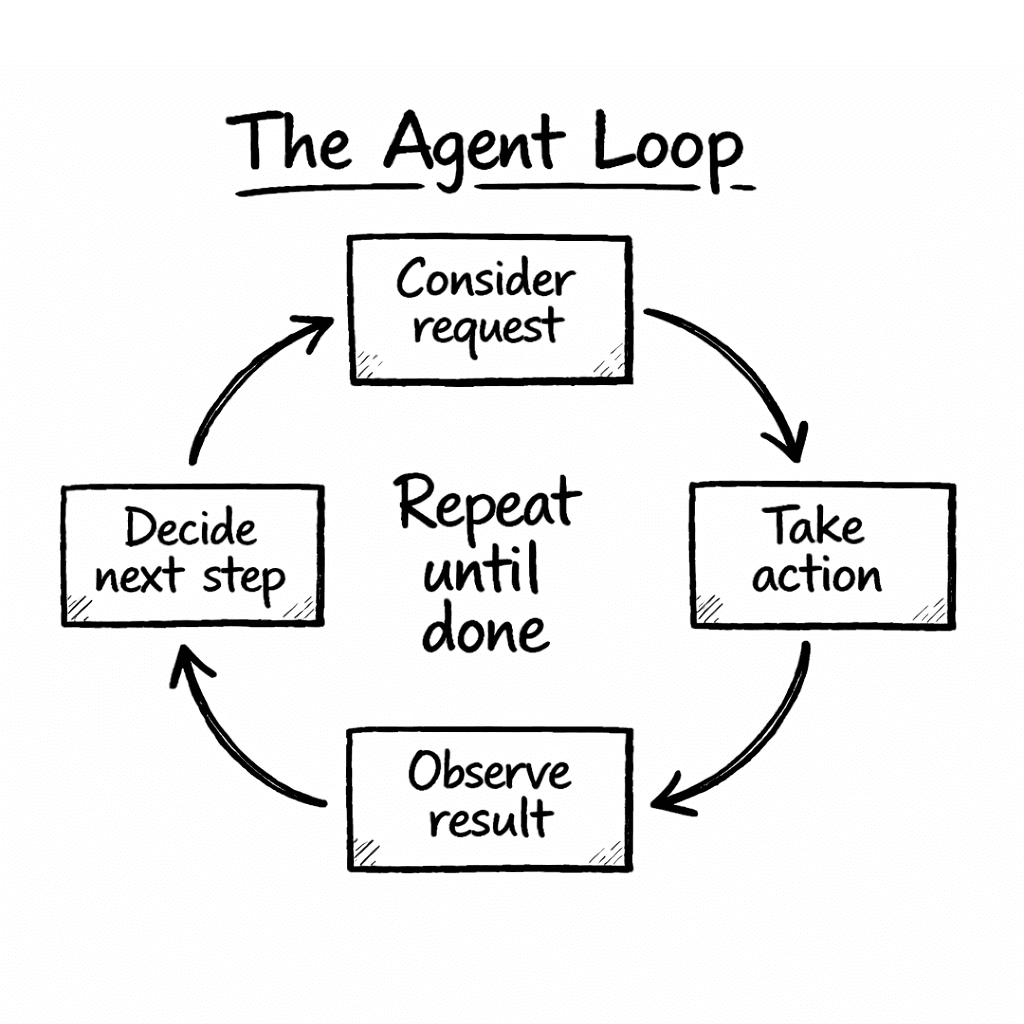
The goal is not to remove the lawyer from the loop. It is to make the loop easier to supervise.
Small-scale community investment matters are often economically difficult to deliver because the legal workflow contains too much manual coordination, document handling, repetitive explanation, and administrative overhead relative to the size of the transaction.
The pain is not "lawyers are inefficient." The pain is: this work matters, but the traditional delivery model makes it hard to say yes.
Primary audience
What the lawyer gets
The toolkit is a practical operating manual for setting up the workspace, prompts, templates, review checkpoints, and client communications that make this kind of matter less chaotic to run.
A recommended structure for turning a messy community investment project into a staged, reviewable matter.
Question sets and setup guidance for gathering the information lawyers need before custom legal analysis begins.
Process flows that show what the client does, what AI can assist with, and where the lawyer reviews or decides.
Reusable project instructions for client education, document chasing, status updates, issue spotting, and draft preparation.
Defined moments where lawyer judgment, professional responsibility, and client counseling stay firmly in the loop.
Plain-English client messages that reduce repetitive explanation without flattening the lawyer-client relationship.
Practice model
Qualify the project and organize the matter before the first wave of documents arrives.
Use structured intake to turn client context into a shared working record.
Let AI assist with summaries, checklists, trackers, and first-pass drafts.
Preserve lawyer review at exemption choice, risk assessment, client counseling, and final signoff.
Keep the community oriented with predictable updates, document requests, and next steps.
A guide for designing an AI-assisted legal operating system around a matter type that has historically been hard to deliver sustainably.
It is not a substitute for legal judgment, not a push-button securities offering, and not an attempt to replace lawyers who like their existing practice model.
Product updates
I am drafting the first version now: a downloadable guide with the matter architecture, AI project setup, prompt packs, review checkpoints, and implementation notes a lawyer would need to try this model in a real practice.